From Finisher T-Shirt to Sports Hijab and Bags: Upcycling Merchandise for The Big Half
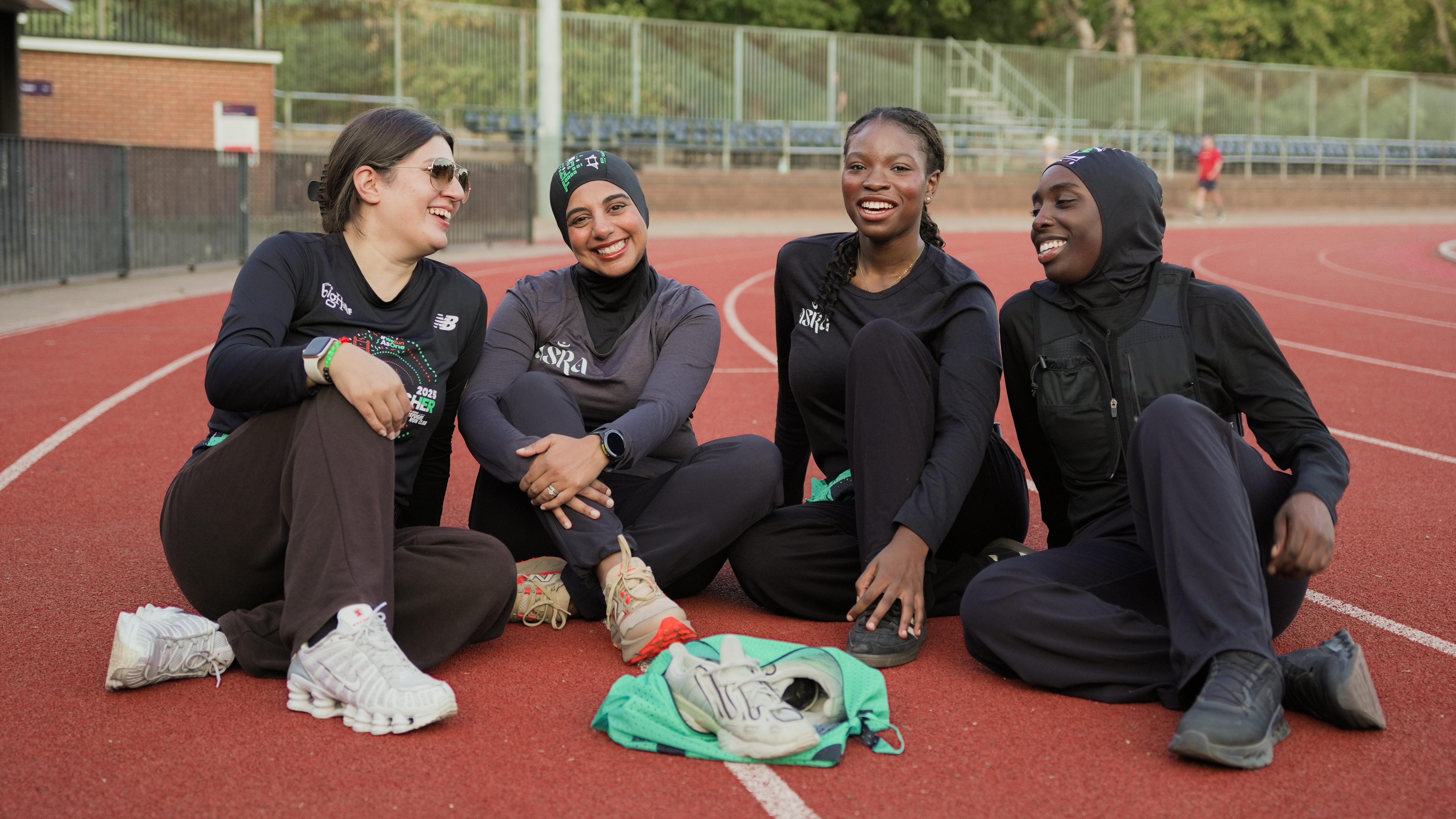
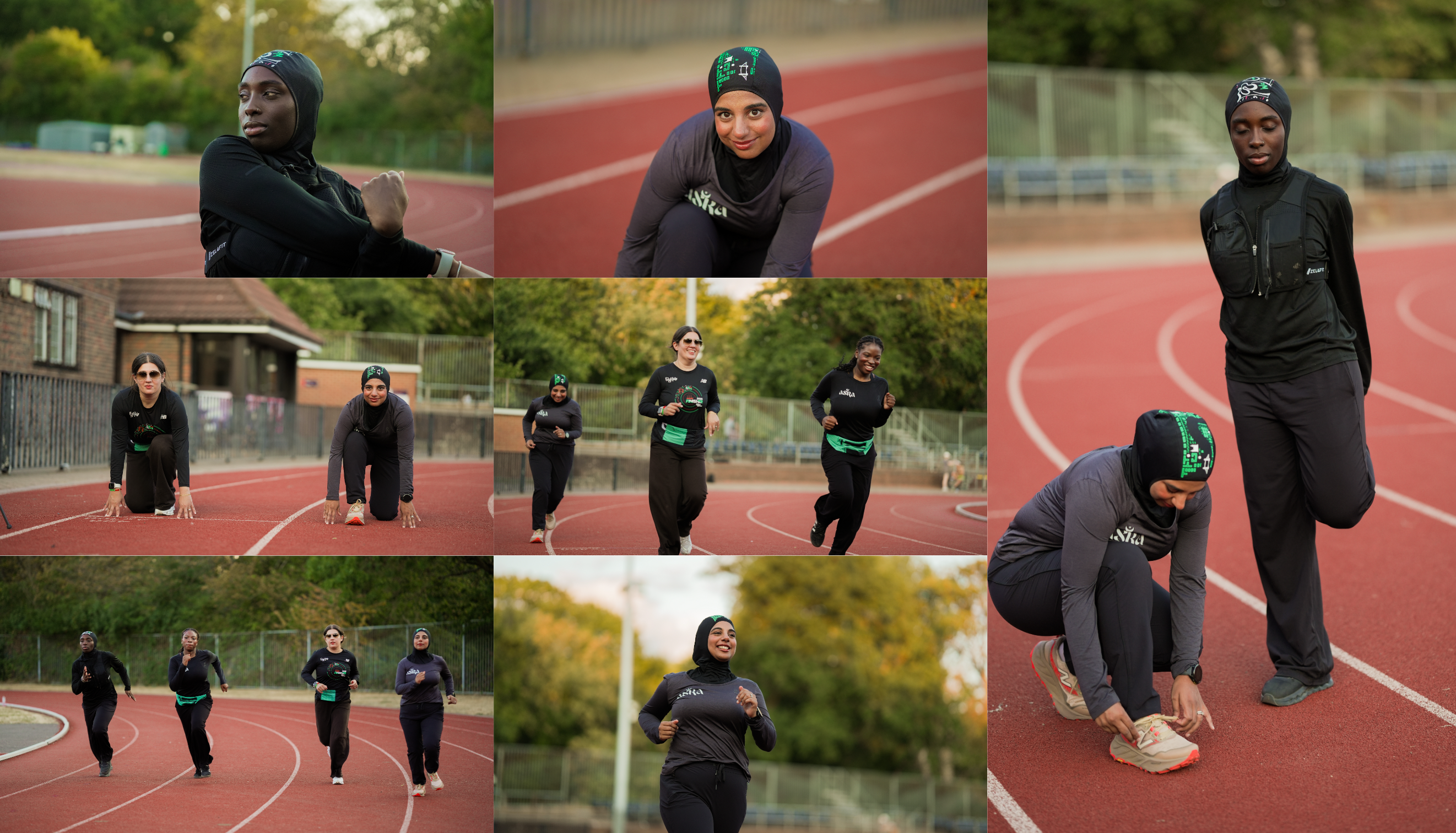
What if a finisher T-shirt could keep going long after the finish line? That was the starting point for one of our latest projects with London Marathon Events and ASRA Run Club: transforming leftover The Big Half finisher T-shirts into a limited collection of sports hijabs and scrap bags.
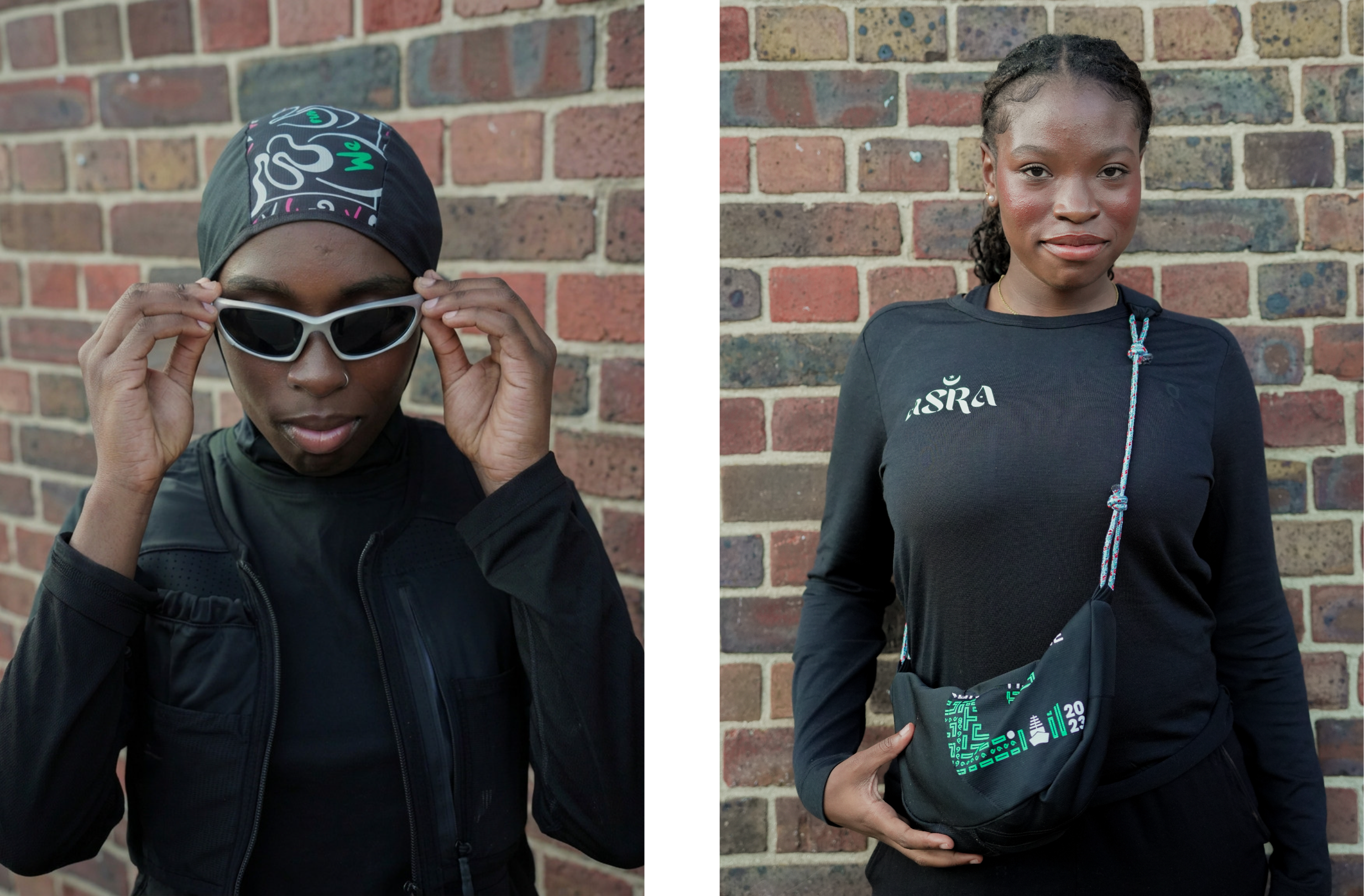
For us at Alterist, this is exactly what upcycling is about. Taking something that already exists, understanding the story and purpose behind it, and finding a creative way for it to live on.
And this particular T-shirt already had a pretty special story.
A T-shirt designed to make running more inclusive
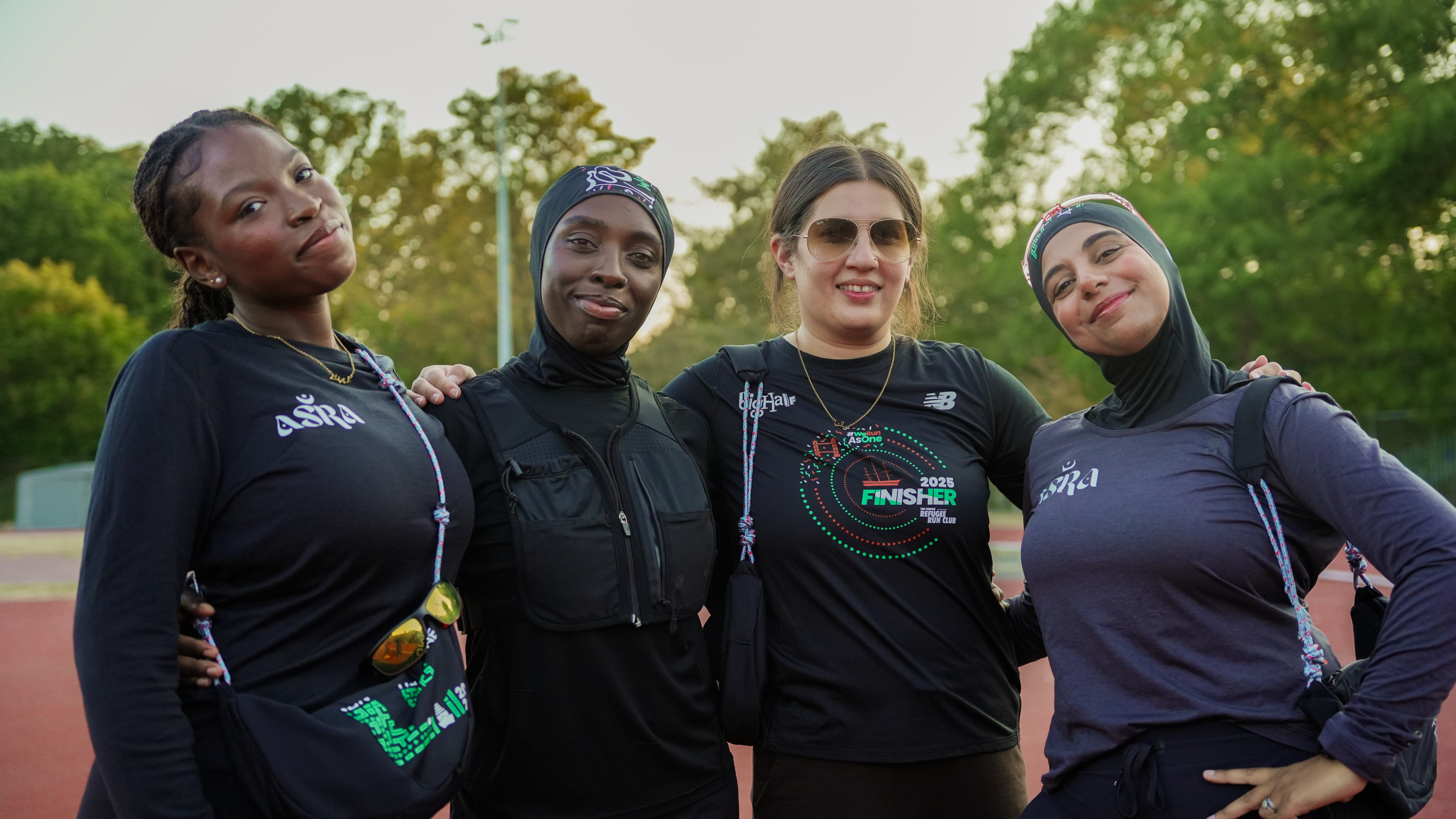
In 2023, The Big Half worked with ASRA Run Club to introduce its first long-sleeved finisher T-shirt.
ASRA is a women’s running community centred around Muslim and Global Majority women and girls. The long-sleeved design was developed to make the official finisher T-shirt more accessible to Muslim runners, allowing more women to wear their race merchandise without needing to add extra layers or compromise their faith.
It wasn't just running merchandise. It had been designed with a specific community, and for a specific reason.
So when a number of those original finisher shirts were left over, we saw an opportunity to do something much more interesting than simply leave them sitting unused.
Turning leftover finisher t-shirts into custom upcycled merchandise
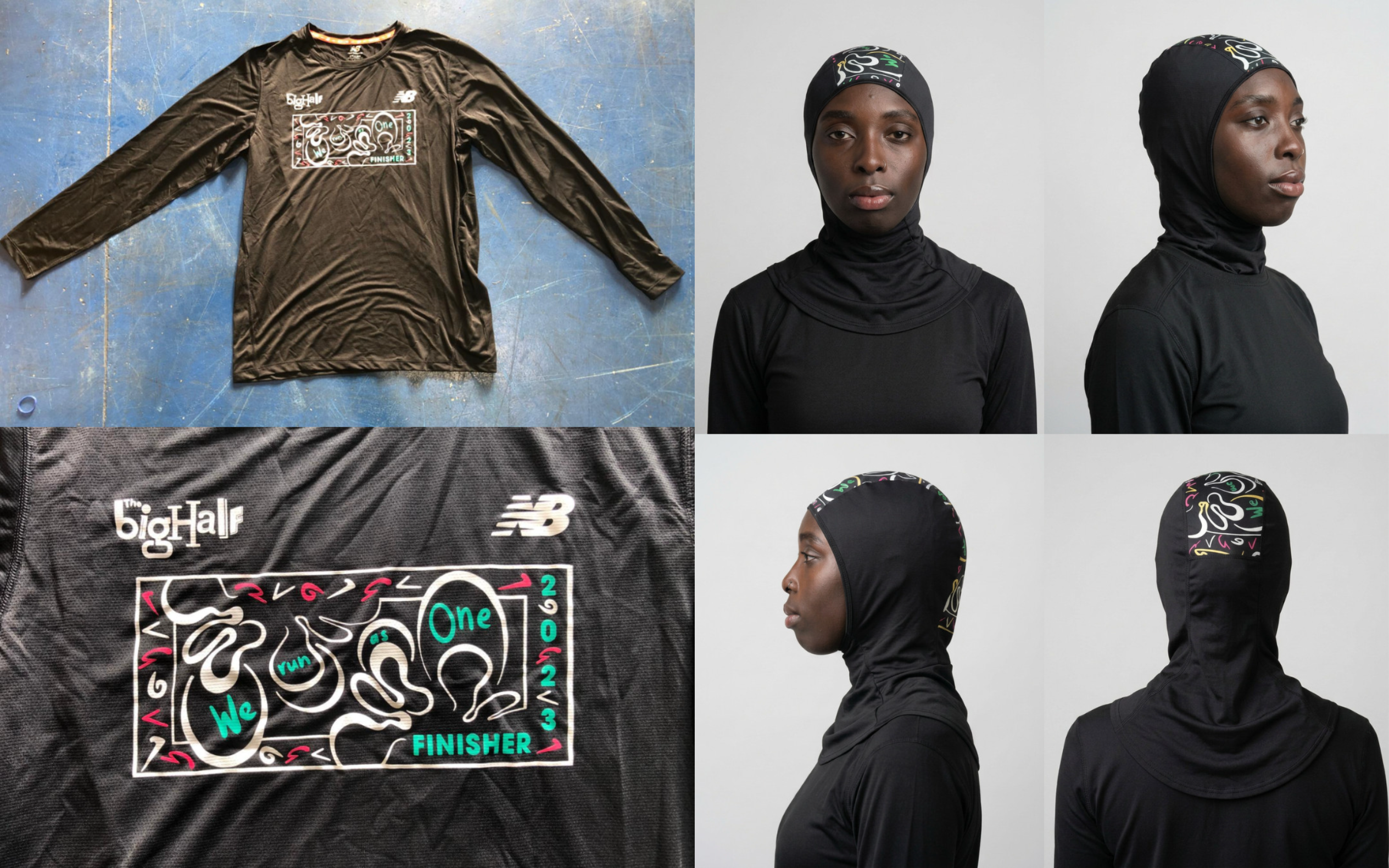
Events create powerful memories, and finisher shirts in particular can hold a huge amount of meaning. They're a reminder of the training, the miles and the moment you crossed the finish line. But when event merchandise is left unused, there is an opportunity to think differently about what happens next.
That’s why we were so excited when London Marathon Events approached us at Alterist to explore how the remaining T-shirts could be upcycled.
Rather than starting with the question, “What can we make from a T-shirt?”, we wanted to create something for the people it had originally been created for. The idea emerged to transform the leftover shirts into sports hijabs.
It meant the material could stay connected to its original purpose — supporting Muslim women in sport — while being completely redesigned into something new.
And we didn't stop at the sports hijabs
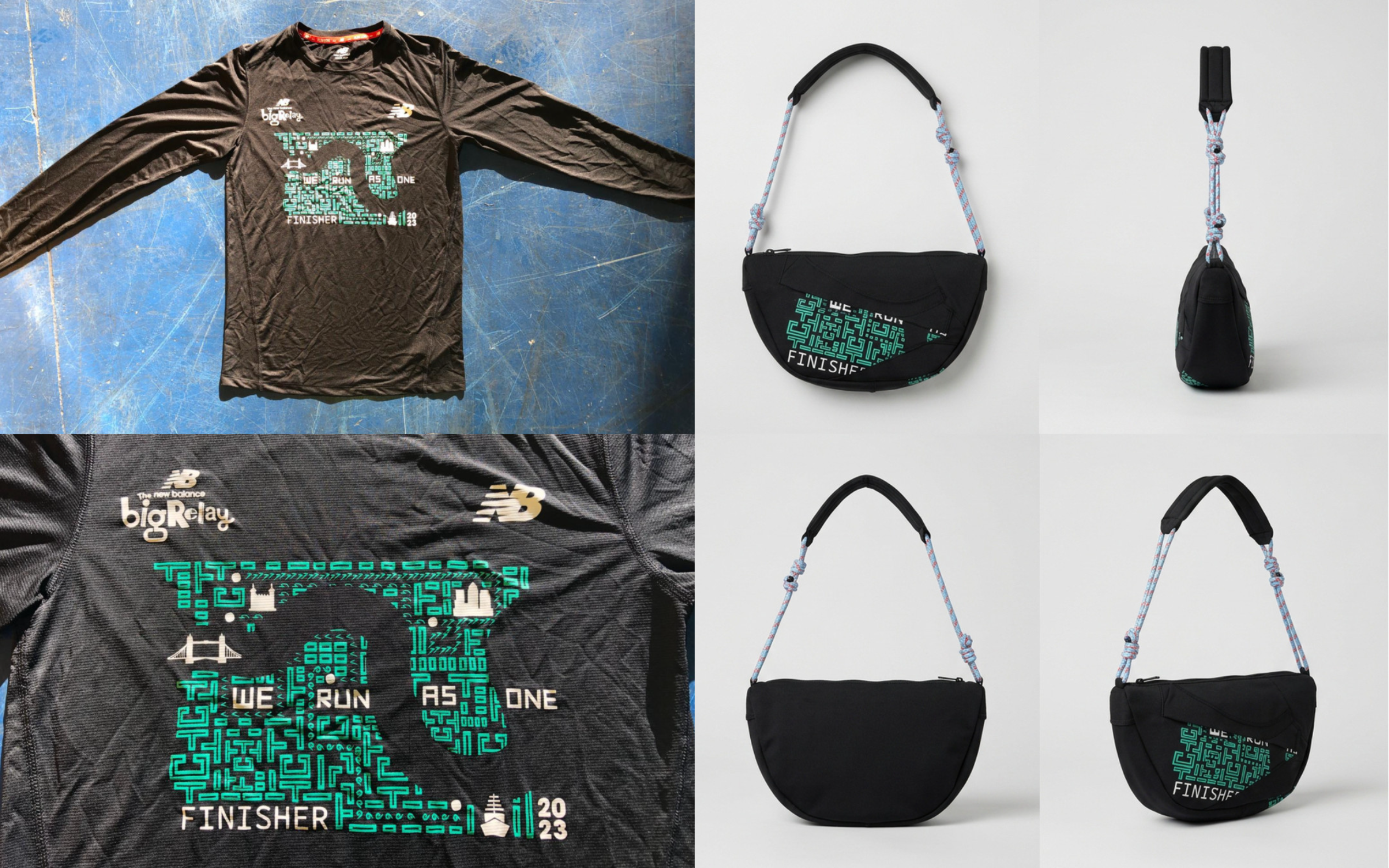
One of the challenges with any kind of fashion production is that making creates offcuts. So from the outset, we approached the project with zero-waste principles in mind, considering not only how we could transform the original T-shirts, but how we could make use of as much of the material as possible.
The smaller offcuts created while making the sports hijabs were collected and transformed into Alterist Scrap Bags.
For us, that's an important part of creating genuinely sustainable merchandise. Upcycling shouldn't simply shift waste from one stage of production to another. It's about designing with the whole lifecycle of the material in mind and finding value in what would otherwise be discarded.
London roads. London roots. London remade
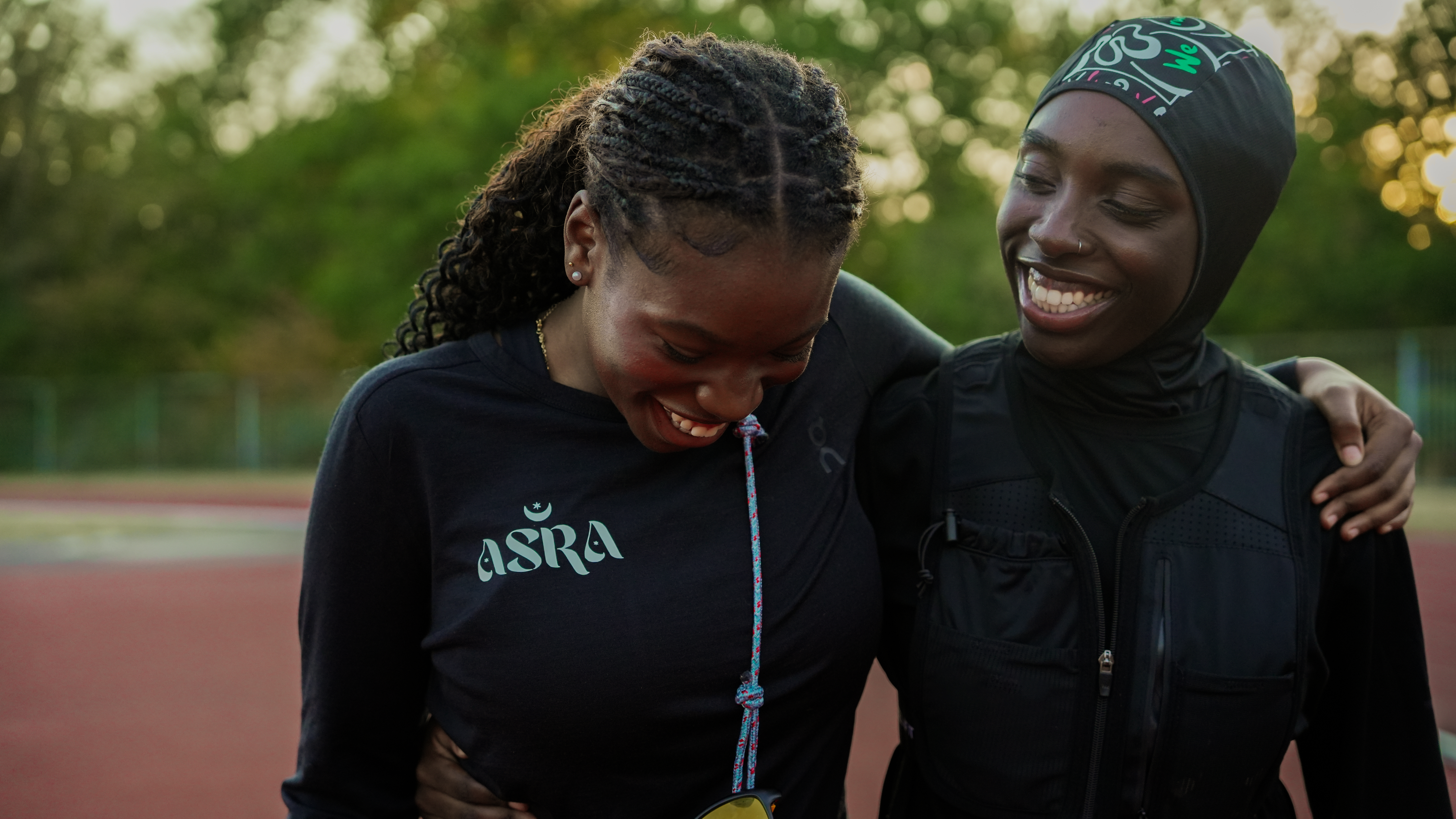
There was something particularly special about seeing this project come full circle. A T-shirt created for a London running event, designed to better support a London running community, was reworked locally into something that could continue serving that community.
It brought together London Marathon Events, ASRA Run Club, Alterist and Fashion-Enter Ltd to show what can happen when community, creativity and existing materials are considered together.
And that's the kind of project we want to do more of.
Looking to create custom upcycled merchandise?

Merchandise commemorates the moments we want to remember — the race you finished, the festival you went to, the team you were part of or the campaign you helped bring to life.
At Alterist, we think the merchandise should be just as exciting as the moment itself.
We work with brands and organisations to create custom sustainable merchandise, using upcycling, surplus textiles and waste materials as the starting point for design. Creating original pieces that tell a story, make better use of what already exists and prove that less waste can mean more creativity.
Got a project in mind? Whether you're creating new merchandise or wondering what to do with what you already have, we'd love to work with you.
Photography: Sharifah Nadira
10th September 2026
Share post


